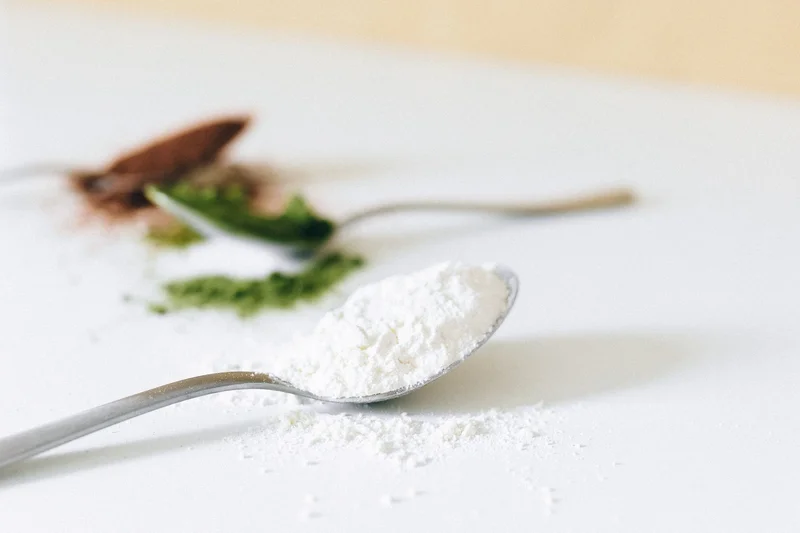
Cornstarch Substitutes: 5 Best Thickener Alternatives
The best substitute for cornstarch is Arrowroot Powder at a 1 tsp arrowroot per 1 tsp cornstarch ratio. It works best for fruit sauces, pie fillings, stir-fry sauces. There are 4 other alternatives below, each with exact ratios and usage notes.
Best Substitute
Arrowroot Powder
1 tsp arrowroot per 1 tsp cornstarch
Works 1:1 as a thickener. Creates a clearer, glossier finish than cornstarch. Do not use in dairy-based sauces as it can become slimy.
Flavor & Texture Change
Completely neutral. Creates a clearer, more glossy result than cornstarch. Excellent for fruit sauces, pie fillings, and stir-fry sauces.
When Not to Use
Do not combine with dairy (it can create a slimy texture in milk-based sauces). Do not overcook or the thickening breaks down. Remove from heat as soon as the sauce thickens.
Which Cornstarch Substitute Should You Use?
Best Overall
Arrowroot Powder
Works identically to cornstarch. Neutral flavor, clear thickening, freezes well. Use 1:1.
Best for Frying
Potato Starch
Creates the crispiest coating of any starch. Stays crispy longer than cornstarch.
Best for Sauces
Arrowroot Powder
Creates a glossy, clear sauce that does not turn cloudy. Does not break down in acidic sauces.
Best Pantry Staple
All-Purpose Flour
You almost certainly have it. Use 2 tbsp flour per 1 tbsp cornstarch. Must be cooked longer.
What are the other substitutes for cornstarch?
Tapioca Starch
2 tsp tapioca starch per 1 tsp cornstarch
Use twice as much. Creates a glossy, slightly chewy texture. Excellent for pie fillings and frozen desserts as it does not break down when frozen.
Flavor/texture:Neutral flavor. Creates a glossy, slightly chewy texture. Adds a pleasant chewiness to baked goods. Pie fillings will be glossy and slightly stretchy.
Avoid when:Creates a slightly stringy, chewy texture in sauces if overused. Do not use for clear liquids you want pourable (it makes them bouncy). Best for pie fillings and baked goods, not for savory sauces.
All-Purpose Flour
2 tbsp flour per 1 tbsp cornstarch
Use twice as much flour. Must be cooked longer (2-3 minutes) to eliminate the raw flour taste. Creates an opaque, matte finish rather than glossy.
Flavor/texture:Can taste floury if not cooked long enough. Creates a thicker, more opaque sauce. Good for gravy and roux-based sauces where clarity does not matter.
Avoid when:Use double the amount (2:1 ratio). Must be cooked for at least 2-3 minutes to eliminate raw flour taste. Creates an opaque, matte sauce, not clear and glossy like cornstarch. Not suitable for gluten-free needs.
Potato Starch
1 tbsp potato starch per 1 tbsp cornstarch
Works 1:1 as a thickener. Add at the end of cooking and do not boil-it loses thickening power at high temperatures. Creates a light, silky texture.
Flavor/texture:Very neutral flavor. Creates a light, silky texture. Excellent for frying (creates the crispiest coating). Sauces thickened with potato starch are clear and glossy.
Avoid when:Breaks down at high temperatures and with prolonged cooking. Do not boil sauces thickened with potato starch or they will thin out. Add at the very end of cooking.
Rice Flour
2 tbsp rice flour per 1 tbsp cornstarch
Use twice as much. Creates a slightly grainier texture in sauces. Works well for frying and breading as a coating. Colorless and flavorless.
Flavor/texture:Very mild, slightly sweet flavor. Creates a less glossy, more matte sauce than cornstarch. Works well in baked goods and as a coating for frying.
Avoid when:Needs 2x the amount of cornstarch. Takes longer to thicken and requires more cooking time. Creates a slightly grittier texture in delicate sauces. Better for baking than sauce-thickening.
What should you know before substituting cornstarch?
Always mix cornstarch or its substitutes with cold liquid before adding to hot liquids to prevent lumps. This is called a slurry. Most starch thickeners lose their power if overcooked or if the sauce is too acidic. Arrowroot is better for acidic sauces; flour is better for opaque gravies.
How do you substitute cornstarch in a recipe?
A pure starch extracted from corn kernels, used primarily as a thickener for sauces, gravies, and pie fillings, and as a component in gluten-free baking.
The best substitute for cornstarch depends on what role it plays in your recipe. Our top recommendation is Arrowroot Powder (1 tsp arrowroot per 1 tsp cornstarch), which works well for fruit sauces, pie fillings, stir-fry sauces.
If you need a different option, Tapioca Starch (2 tsp tapioca starch per 1 tsp cornstarch) is another reliable choice. Use twice as much. Creates a glossy, slightly chewy texture. Excellent for pie fillings and frozen desserts as it does not break down when frozen.
When substituting cornstarch, consider the flavor profile, texture, and cooking method of your recipe. For vegan alternatives, look for the options marked with the vegan badge above.
Substitution ratios verified against USDA FoodData Central and Celiac Disease Foundation. See our testing methodology for details.
What can you use instead of cornstarch in specific recipes?
Cornstarch in Stir Fry
View recipe-specific substitutes →
Cornstarch in Pie Filling
View recipe-specific substitutes →
Cornstarch in Pudding
View recipe-specific substitutes →
Cornstarch in Fried Chicken Coating
View recipe-specific substitutes →
Cornstarch in Cookies
View recipe-specific substitutes →
Cornstarch in Gravy
View recipe-specific substitutes →
Cornstarch in Baking
View recipe-specific substitutes →
Frequently Asked Questions
What can I use instead of cornstarch to thicken sauce?
Arrowroot powder works 1:1 and creates a clear, glossy sauce. All-purpose flour also works but use twice the amount and cook for 2-3 minutes to remove the raw flour taste.
Is arrowroot better than cornstarch?
It depends on the use. Arrowroot creates a clearer finish and works better in acidic and frozen sauces. Cornstarch is better for dairy-based sauces and holds up better at higher cooking temperatures.
How do I substitute flour for cornstarch?
Use 2 tablespoons of all-purpose flour for every 1 tablespoon of cornstarch. Mix the flour with cold liquid first to make a slurry, then cook for at least 2-3 minutes to cook out the raw flour taste.