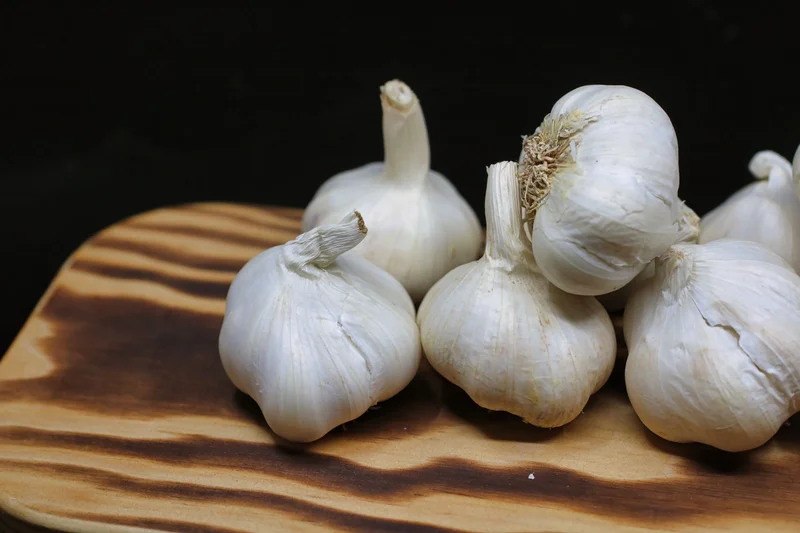
Best Garlic Substitutes for Cooking
The best substitute for garlic is Garlic paste (minced in oil) at a Use 50% ratio. There are 4 other alternatives below, each with exact ratios and usage notes.
Best Substitute
Garlic paste (minced in oil)
Use 50%
You can use Garlic paste (minced in oil) in place of garlic when needed. Use 50% of the original amount to start, then adjust if needed. This option is more concentrated than garlic, so small adjustments make a noticeable difference.
What are the other substitutes for garlic?
Garlic Powder
Use 12%
You can use Garlic Powder in place of garlic when needed. Use 12% of the original amount to start, then adjust if needed. This option is more concentrated than garlic, so small adjustments make a noticeable difference. It is especially useful in sauces and dry rubs.
Granulated garlic
Use 12%
Granulated garlic works as a substitute for garlic in many recipes. Use 12% of the original amount to start, then adjust if needed. This option is more concentrated than garlic, so small adjustments make a noticeable difference.
Roasted garlic (jarred)
Same amount (1:1)
Roasted garlic (jarred) works as a substitute for garlic in many recipes. Use the same amount as the original ingredient. The flavor lands a bit softer than the original, so you may want a final taste adjustment. Texture runs thicker than the original, so a splash of liquid may help in thinner preparations. Texture runs looser than the original, which matters most in baking and creamy sauces. It is especially useful in baking and sauces. Taste near the end and fine-tune if the dish needs a little more punch.
Shallots
Use 150%
You can use Shallots in place of garlic when needed. Use 150% of the original amount to start, then adjust if needed. The flavor lands a bit softer than the original, so you may want a final taste adjustment. It is especially useful in baking and sauces. Taste near the end and fine-tune if the dish needs a little more punch.
What should you know before substituting garlic?
For quick cooking, garlic paste is usually the closest shortcut. For dry rubs, sauces, and longer cooks, garlic powder or granulated garlic is often enough. If the recipe leans on fresh aromatic flavor, start with shallots and adjust near the end.
How do you substitute garlic in a recipe?
The best garlic substitute depends on whether you need a sharp fresh bite, mellow cooked sweetness, or a fast pantry backup. These swaps cover sauces, marinades, soups, and everyday savory cooking.
The best substitute for garlic depends on what role it plays in your recipe. Our top recommendation is Garlic paste (minced in oil) (Use 50%), which works well for most recipes.
If you need a different option, Garlic Powder (Use 12%) is another reliable choice. You can use Garlic Powder in place of garlic when needed. Use 12% of the original amount to start, then adjust if needed. This option is more concentrated than garlic, so small adjustments make a noticeable difference. It is especially useful in sauces and dry rubs.
When substituting garlic, consider the flavor profile, texture, and cooking method of your recipe. For vegan alternatives, look for the options marked with the vegan badge above.
Substitution ratios verified against USDA FoodData Central and FoodSafety.gov. See our testing methodology for details.
Frequently Asked Questions
What is the best substitute for garlic?
Garlic paste is the closest everyday replacement when you want fast garlic flavor with minimal prep. For dry rubs and long-simmered recipes, garlic powder also works well in a smaller amount.
Can I use garlic powder instead of fresh garlic?
Yes. Garlic powder is much more concentrated than fresh garlic, so start small and build up only if the dish still tastes flat.
What can I use instead of garlic in sauce?
Garlic paste is usually the easiest sauce swap because it dissolves smoothly. Shallots can also work when you want a softer allium flavor.