Lard Substitutes: 5 Best Alternatives for Pie & Baking
The best substitute for lard is Shortening at a 1 cup shortening per 1 cup lard ratio. It works best for pie crusts, biscuits, frying. There are 4 other alternatives below, each with exact ratios and usage notes.
Best Substitute
Shortening
1 cup shortening per 1 cup lard
The closest substitute in terms of texture and behavior. Works 1:1. Produces similar flakiness without the pork flavor. Most commonly used swap.
What are the other substitutes for lard?
Butter
1 1/4 cups butter per 1 cup lard
Use 25% more butter to compensate for its water content. Produces excellent flavor but slightly less flaky results than lard. Keep very cold for pastry.
Coconut Oil
1 cup solid coconut oil per 1 cup lard
Works 1:1 as a vegan alternative. Use refined for neutral flavor. Solid at room temperature like lard. Produces decent flakiness in pastry.
Beef Tallow
1 cup tallow per 1 cup lard
Works 1:1 with similar properties. Has a stronger, beefier flavor than lard. Better for savory applications like frying than for sweet baking.
Vegetable Oil
7/8 cup vegetable oil per 1 cup lard
Only for recipes where lard is melted (frying, sautéing). Use slightly less. Cannot produce flaky pastry. Completely changes the texture in baked goods.
What should you know before substituting lard?
Leaf lard, rendered from the fat around pig kidneys, is the premium choice for baking-it has almost no pork flavor and creates the flakiest pie crusts. Regular lard has a slight pork taste that works well in savory recipes. For the flakiest pastry, keep lard and all solid fat substitutes as cold as possible.
How do you substitute lard in a recipe?
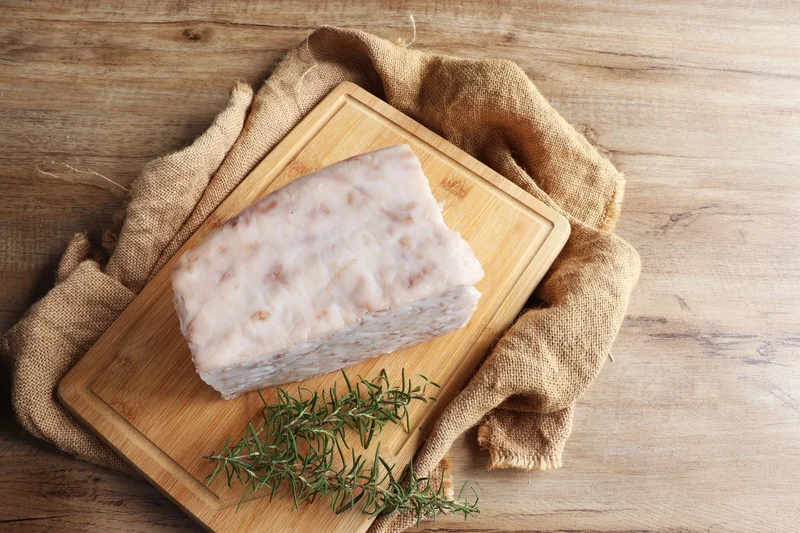
Rendered pork fat used in traditional baking and cooking. Prized for creating exceptionally flaky pie crusts and tender baked goods. Available as leaf lard (from kidney fat, mildest flavor) and regular lard.
The best substitute for lard depends on what role it plays in your recipe. Our top recommendation is Shortening (1 cup shortening per 1 cup lard), which works well for pie crusts, biscuits, frying.
If you need a different option, Butter (1 1/4 cups butter per 1 cup lard) is another reliable choice. Use 25% more butter to compensate for its water content. Produces excellent flavor but slightly less flaky results than lard. Keep very cold for pastry.
When substituting lard, consider the flavor profile, texture, and cooking method of your recipe. For vegan alternatives, look for the options marked with the vegan badge above.
Substitution ratios verified against USDA FoodData Central and American Heart Association. See our testing methodology for details.
What can you use instead of lard in specific recipes?
Frequently Asked Questions
What is the best substitute for lard in pie crust?
Shortening is the closest substitute-it works 1:1 and produces similar flakiness. Butter also works well (use 1 1/4 cups per cup of lard) and adds better flavor, though the crust will be slightly less flaky.
Is lard unhealthy?
Lard has less saturated fat than butter and no trans fats. It is about 45% monounsaturated fat (the same healthy fat in olive oil). In moderation, lard is a reasonable cooking fat, especially compared to partially hydrogenated shortening.
Can I use coconut oil instead of lard?
Yes, refined coconut oil works 1:1 in place of lard. Both are solid at room temperature and behave similarly in baking. Use refined coconut oil for a neutral flavor or virgin for a slight coconut taste.