Substitute for Peanut Butter: 5 Best Alternatives for Allergies & Baking
The best substitute for peanut butter is Almond Butter at a 1:1 ratio. It works best for baking, smoothies, sandwiches, sauces. There are 4 other alternatives below, each with exact ratios and usage notes.
Best Substitute
Almond Butter
1:1
The closest substitute in both texture and flavor. Works in baking, smoothies, sauces, and spreading.
Flavor & Texture Change
Milder and slightly sweeter than peanut butter. The almond flavor is subtler, so peanut-forward recipes like peanut butter cookies will taste noticeably different.
When Not to Use
Almond butter is thinner than peanut butter. In baking, this can make doughs slightly softer. Reduce any added liquid by 1 tablespoon if the batter looks too wet.
What are the other substitutes for peanut butter?
Cashew Butter
1:1
Creamy and mild. Excellent for sauces, dressings, and desserts where a neutral nut flavor is preferred.
Flavor/texture:Much milder and sweeter than peanut butter. Works best when peanut flavor is not the star of the dish.
Avoid when:Cashew butter is softer and oilier than peanut butter. It may make baked goods slightly greasier. Not ideal for cookies that need structure.
Sunflower Seed Butter
1:1
The best nut-free alternative. Safe for peanut and tree nut allergies. Similar thickness and protein content.
Flavor/texture:Earthy and slightly bitter compared to peanut butter. The flavor is distinct but works well in most recipes, especially chocolate-based ones.
Avoid when:Sunflower seed butter turns green when mixed with baking soda due to chlorogenic acid. This is harmless but visually surprising. Add 1 teaspoon of lemon juice or cocoa powder to prevent it.
Tahini
1:1
Made from ground sesame seeds. Works well in savory applications, dressings, and Middle Eastern-inspired dishes.
Flavor/texture:Distinctly nutty and slightly bitter. Best in savory applications. In sweet recipes, increase sugar slightly to compensate for tahini's bitterness.
Avoid when:Tahini is thinner and more bitter than peanut butter. It separates easily. Stir well before measuring and expect a more liquid consistency in baked goods.
Soy Nut Butter
1:1
Made from roasted soybeans. Nut-free and closest in taste to peanut butter among allergy-safe options.
Flavor/texture:Surprisingly close to peanut butter in flavor. Slightly less rich but the roasted soy flavor mimics peanuts well.
Avoid when:Not suitable for soy allergies. Some brands contain hydrogenated oils. Check labels if avoiding trans fats.
What should you know before substituting peanut butter?
When substituting for allergy reasons, always check labels for cross-contamination warnings. Many nut butters are processed on shared equipment. For baking, match the consistency of the substitute to peanut butter - if it is thinner, reduce liquid slightly.
How do you substitute peanut butter in a recipe?
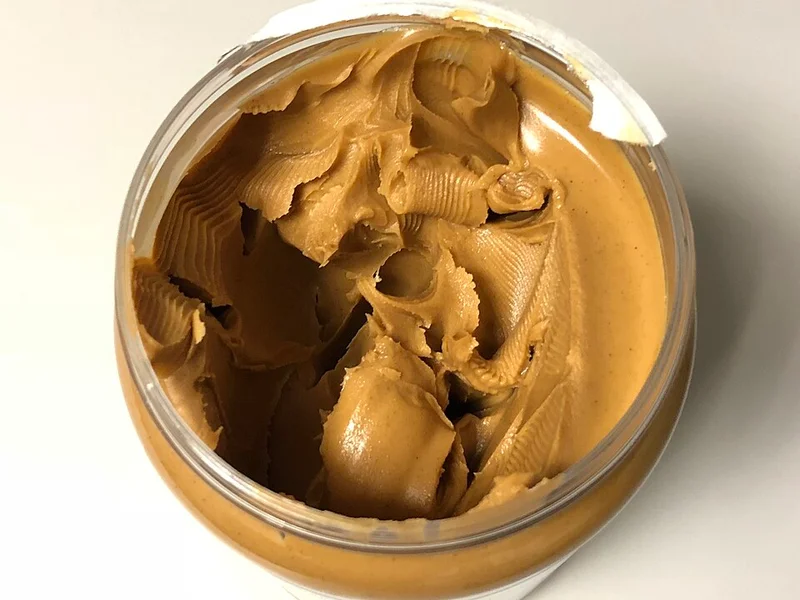
A creamy or chunky spread made from ground roasted peanuts. A pantry staple used in sandwiches, baking, sauces, smoothies, and Asian-inspired dishes. Its rich, nutty flavor and high protein content make it one of the most versatile ingredients in any kitchen.
The best substitute for peanut butter depends on what role it plays in your recipe. Our top recommendation is Almond Butter (1:1), which works well for baking, smoothies, sandwiches, sauces.
If you need a different option, Cashew Butter (1:1) is another reliable choice. Creamy and mild. Excellent for sauces, dressings, and desserts where a neutral nut flavor is preferred.
When substituting peanut butter, consider the flavor profile, texture, and cooking method of your recipe. For vegan alternatives, look for the options marked with the vegan badge above.
Substitution ratios verified against USDA FoodData Central and FoodSafety.gov. See our testing methodology for details.
Frequently Asked Questions
What is the best substitute for peanut butter?
Almond butter is the closest 1:1 substitute for peanut butter. It has a similar texture and works in baking, smoothies, sauces, and sandwiches.
What can I use instead of peanut butter for nut allergies?
Sunflower seed butter is the best nut-free alternative. It has similar protein and fat content. Soy nut butter also works well and tastes closest to peanut butter.
Can I substitute tahini for peanut butter?
Yes, tahini works as a 1:1 substitute, especially in savory recipes like sauces, dressings, and noodle dishes. It is thinner and more bitter, so add extra sweetener in desserts.