Soy Sauce Substitutes: 5 Best Umami-Rich Alternatives
The best substitute for soy sauce is Tamari at a 1 tbsp tamari = 1 tbsp soy sauce ratio. It works best for stir-fries, dipping sauces, marinades. There are 4 other alternatives below, each with exact ratios and usage notes.
Best Substitute
Tamari
1 tbsp tamari = 1 tbsp soy sauce
Japanese soy sauce made with little to no wheat. Richer, less salty flavor than regular soy sauce. Check the label to confirm gluten-free if needed.
What are the other substitutes for soy sauce?
Coconut Aminos
1 tbsp coconut aminos = 1 tbsp soy sauce (add a pinch of salt)
Made from coconut sap. Milder and sweeter than soy sauce with less sodium. Soy-free, gluten-free, and suitable for paleo diets.
Liquid Aminos
1 tbsp liquid aminos = 1 tbsp soy sauce
Made from soybeans but not fermented. Similar salty umami flavor. Bragg brand is the most common. Contains soy but no wheat.
Worcestershire Sauce
1 tbsp Worcestershire = 1 tbsp soy sauce
Provides umami and depth but has a different flavor profile (more tangy and complex). Contains anchovies, so not vegan. Works in marinades and braises.
Fish Sauce + Water
1/2 tbsp fish sauce + 1/2 tbsp water = 1 tbsp soy sauce
Fish sauce is much more pungent and salty, so dilute it. Provides strong umami but with a distinct fishy flavor. Best in Southeast Asian dishes.
What should you know before substituting soy sauce?
When substituting soy sauce, the key is matching umami intensity and saltiness. Tamari and liquid aminos are the closest swaps. If avoiding soy entirely, coconut aminos is the best choice, though you may want to add a pinch of salt to boost the savory flavor.
How do you substitute soy sauce in a recipe?
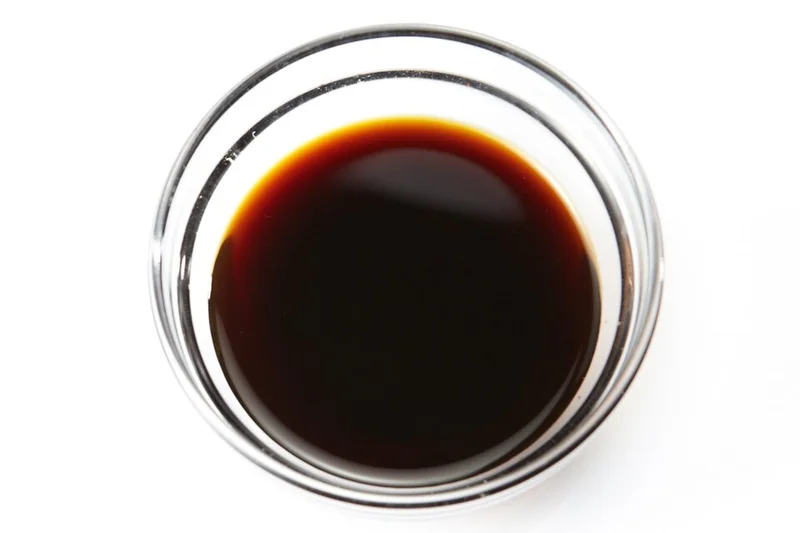
A fermented condiment made from soybeans, wheat, salt, and water, delivering deep umami flavor and rich brown color. Soy sauce is foundational in Asian cooking for stir-fries, marinades, dipping sauces, and soups.
The best substitute for soy sauce depends on what role it plays in your recipe. Our top recommendation is Tamari (1 tbsp tamari = 1 tbsp soy sauce), which works well for stir-fries, dipping sauces, marinades.
If you need a different option, Coconut Aminos (1 tbsp coconut aminos = 1 tbsp soy sauce (add a pinch of salt)) is another reliable choice. Made from coconut sap. Milder and sweeter than soy sauce with less sodium. Soy-free, gluten-free, and suitable for paleo diets.
When substituting soy sauce, consider the flavor profile, texture, and cooking method of your recipe. For vegan alternatives, look for the options marked with the vegan badge above.
Substitution ratios verified against USDA FoodData Central and FoodSafety.gov. See our testing methodology for details.
What can you use instead of soy sauce in specific recipes?
Frequently Asked Questions
What is the best gluten-free substitute for soy sauce?
Tamari (made with little or no wheat) and coconut aminos are the best gluten-free substitutes. Both can be used in a 1:1 ratio, though coconut aminos is milder and may need a pinch of added salt.
Can I use Worcestershire sauce instead of soy sauce?
Yes, in a 1:1 ratio for marinades and cooked dishes. Worcestershire has a tangier, more complex flavor and contains anchovies, so it is not vegan. It works best in Western-style recipes.
What is the difference between soy sauce and tamari?
Tamari is a Japanese soy sauce made with little to no wheat, giving it a richer flavor and making most brands gluten-free. Regular soy sauce contains significant wheat and has a sharper, saltier taste.